


Steering Rack vs. Rack and Pinion: What’s the Difference?
Date Posted: 14 August 2026

When your car starts making a loud groaning sound during tight turns, your tyres struggle to hold alignment, or you notice a strange pool of fluid on the driveway, your front steering system is begging for attention. When you start researching parts or chatting with a mechanic, you'll inevitably hear two terms tossed around constantly: steering rack and rack and pinion.
If you aren't a seasoned mechanic, hearing these terms used almost interchangeably can leave you wondering if you’re looking at two completely different parts or just one item with multiple names. So, is a steering rack the same as rack and pinion? The short answer is yes — in casual conversation — but there is a slight technical difference between the mechanism itself and the actual replacement part sitting on your workbench.
Is a Steering Rack the Same as Rack and Pinion?
To clear up the confusion, the difference comes down to describing a physical component versus describing a mechanical system.
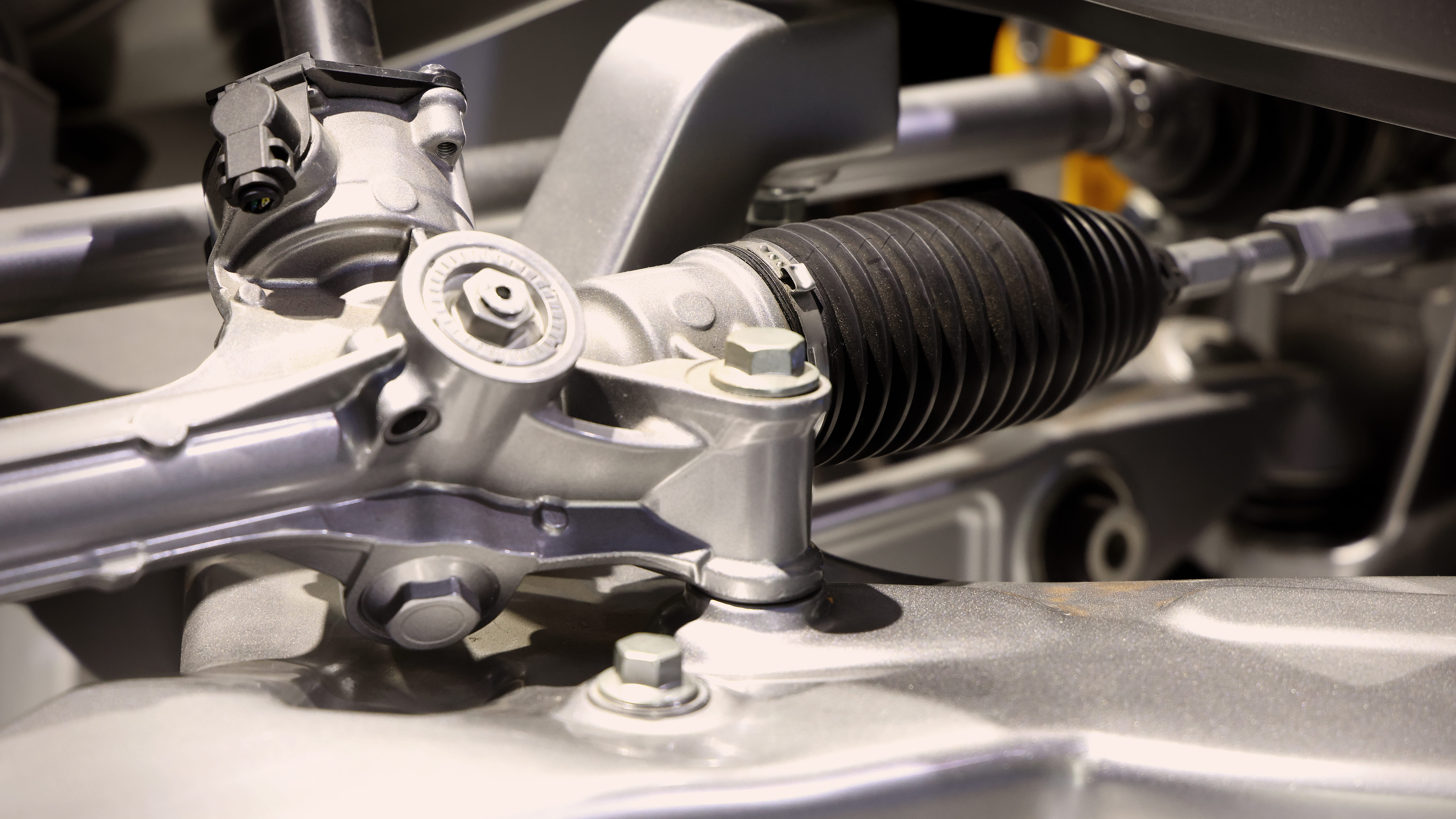
The term rack and pinion refers directly to the internal gear design — a small circular pinion gear that meshes with a flat, toothed rack bar to turn a rotational movement into the straight sideways motion needed to turn a vehicle's front wheels.
On the flip side, when a workshop gives you a repair quote or when you order parts online, the term steering rack refers to the entire complete unit under your car.
But What Does a Steering Rack Do?
A steering rack acts as the primary mechanical housing for your vehicle's steering system. It holds the internal rack and pinion gears securely in place, protects them from road debris using rubber boots, and transfers your steering inputs directly to the wheels via the tie rods. This physical assembly houses those internal gears alongside fluid channels, seals, mounts, and protective rubber boots.
So, while rack and pinion describes how the steering mechanism works, the steering rack is the actual physical part you unbolt and replace when things go wrong.
What is Rack and Pinion Steering and How Does it Work?
Before the industry adopted the rack and pinion steering system, older cars relied on heavy steering gearboxes with complex linkages that needed a lot of muscle to turn.* The modern setup simplified everything into a compact, direct-feeling gear design.
The process is actually pretty simple when you break it down:
- The Wheel Turns: As you turn the steering wheel inside the cabin, it rotates the internal steering shaft.
- The Pinion Spins: At the base of that shaft sits the pinion gear — a small, circular gear with precision teeth.
- The Rack Bar Slides: The pinion's teeth interlock directly with the flat, horizontal rack bar. As the pinion spins, it forces the rack bar to slide left or right across the front of your vehicle.
*Some trucks and SUVs still use steering boxes for heavy-duty applications.
Understanding the Steering Gear Assembly and Surrounding Parts
The sliding movement of the internal rack bar needs to be transferred straight to your front wheels. That’s where the complete steering gear assembly works alongside your suspension and drivetrain components to keep your tyres planted firmly on the road.
As the rack bar slides sideways, it pushes and pulls on an outer tie rod end connected to your wheel hub, physically pivoting your front wheels. Since your wheels constantly bounce up and down over road bumps, the entire assembly works alongside your control arm setup to maintain proper wheel alignment and stability.
While your steering assembly controls the direction of the front wheels, your CV drive shaft simultaneously transfers engine power to those same spinning wheels, making the entire front-end setup a closely coordinated team.
Manual vs Power Steering Rack Options
While the basic mechanical gear principle remains identical across most passenger cars, the level of steering effort required by the driver varies depending on the type of assist system installed.
A basic manual setup relies purely on mechanical leverage — meaning your arms do all the grunt work. However, almost every modern passenger car and 4WD utilises an assisted power steering rack to make parking and low-speed maneuvers effortless.
Assisted systems generally fall into three categories:
- Hydraulic Power Steering: Uses high-pressure fluid supplied by a belt-driven power steering pump to push the internal rack bar sideways whenever you turn the wheel.
- Electric Power Steering (EPS): Replaces hydraulic fluid entirely with an electric motor mounted directly to the steering column or the housing itself.
- Electro-Hydraulic Steering: Combines both designs by using an electric motor to drive a hydraulic fluid pump.
If your vehicle uses a hydraulic setup, a sudden loss of steering assist or a heavy wheel usually points to worn internal seals, leaking hoses, or a failing pump.
Keep Your Steering Sharp with Machter
Whether you’re dealing with a leaking hydraulic seal, excessive steering wheel play, or knocking sounds over bumps, ignoring a worn steering setup compromises your road safety.
At Machter, we carry a comprehensive range of reliable aftermarket steering parts, hardware, and replacement units designed to match OEM specifications without the inflated price tags. Explore our extensive collection today to find the exact direct-fit components your vehicle needs to restore crisp, responsive handling!


