


What Do Shock Absorbers Actually Do? A Beginner’s Guide to Your Suspension System
Date Posted: 24 February 2026
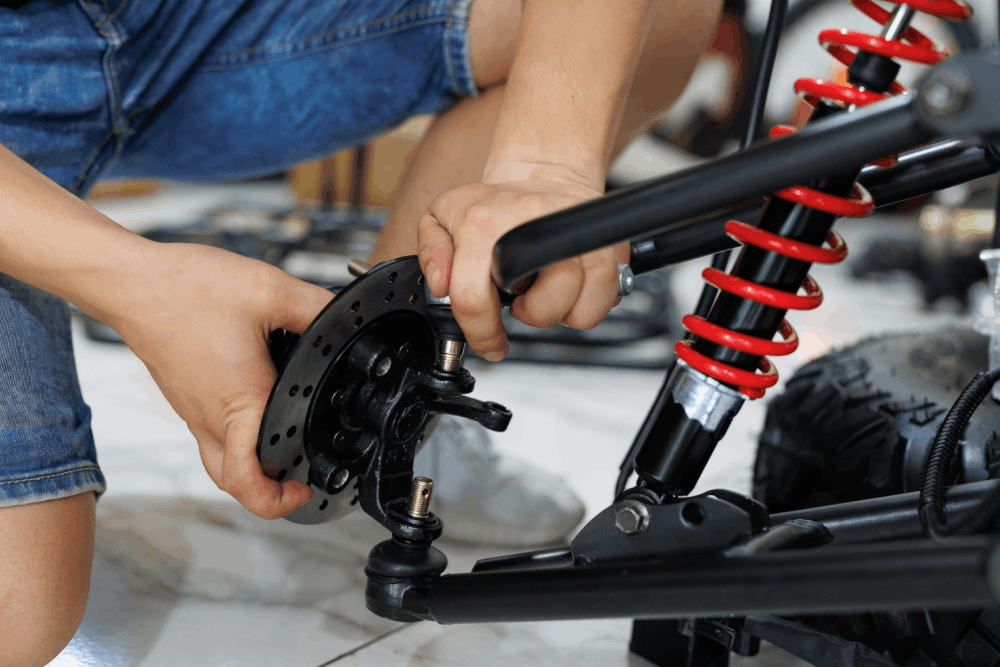

If you’ve ever replaced a worn set of shocks and thought, “Yep, that feels better—but why?”, you’re not alone.
Shock absorbers are one of those components everyone knows are important, yet few people truly understand. They’re often blamed for bouncy rides, uneven tyre wear, or vague handling — but their real role in your suspension system goes much deeper than comfort alone.
If you’re doing your own repairs to save money, improve handling, or simply understand your car better, this helpful guide breaks it all down. We’re covering what shock absorbers actually do, how they work with other suspension components, and when it’s time to replace them. Let’s get into it.
First Things First: What Are Shock Absorbers?
In simple terms, shock absorbers control motion.
They don’t hold the weight of your car. They don’t lift or lower ride height. What they do is manage how your suspension moves after it hits a bump, dips under braking, or leans into a corner.
Technically speaking, shock absorbers are hydraulic damping devices. They convert kinetic energy (the movement from bumps, braking, and cornering) into heat, which is then safely dissipated. In doing so, they stop your springs from bouncing uncontrollably and help keep your tyres firmly planted on the road.
And that tyre contact? That’s where safety, handling, and braking performance all live.
Why Shock Absorbers Matter More Than You Think
At any given moment, your tyres are the only part of the car touching the road. If they’re not maintaining consistent contact, everything else — steering response, braking distance, stability — suffers.
Worn shock absorbers can cause:
- Increased stopping distances
- Reduced grip in corners
- Excessive body roll and nose dive
- Uneven tyre wear
- Poor control on rough or corrugated roads
That’s why shocks are a critical part of your wider suspension system, working in harmony with springs, mounts, and other aftermarket suspension parts to keep your vehicle predictable and safe.
How Shock Absorbers Actually Work (Without the Physics Degree)
Inside every shock absorber is a piston attached to a rod, moving through hydraulic oil. As the suspension compresses and rebounds, oil is forced through precisely sized valves and passages.
The clever bit?
The faster the suspension moves, the more resistance the shock provides.
Hit a small bump at cruising speed and the shock reacts gently. Slam into a pothole or brake hard, and it firms up instantly to control movement. That automatic adjustment is what keeps your car composed across wildly different road conditions.
Shocks vs Struts: What’s the Difference?
People often use “shocks” and “struts” interchangeably, but we’re here to tell you they’re not the same thing.
Shock Absorbers
- Standalone damping components
- Don’t carry vehicle weight
- Commonly used on rear suspension setups
- Usually simpler and cheaper to replace
Struts
- Structural suspension components
- Combine shock absorber and spring mounting
- Support vehicle weight
- Affect alignment geometry
If you’re working with struts, components like the Strut Mount Bearing become just as important as the damper itself. Worn mounts can cause knocking noises, steering stiffness, and premature shock failure — something DIYers often discover the hard way.
How Shock Absorbers Fit Into the Bigger Suspension Picture
Shock absorbers don’t work alone. They’re part of a finely balanced system that includes:
- Suspension components such as springs, bushes, and mounts
- Ball joints that allow controlled movement while supporting load
- Control arms that position the wheels correctly
- Sway bar links that limit body roll in corners
Replace shocks without checking these supporting parts, and you risk masking deeper issues or shortening the lifespan of your new components. The seasoned team here at Machter always recommend inspecting the entire suspension system whenever shocks or struts are replaced.
Common Types of Shock Absorbers
While designs vary by vehicle, most fall into a few key categories:
Twin-Tube Shocks
- Most common OEM-style design
- Comfortable ride characteristics
- Cost-effective for daily drivers
Monotube Shocks
- Better heat dissipation
- Improved performance under heavy use
- Often found in performance or off-road applications
Gas-Charged Shocks
- Reduced oil foaming
- More consistent damping
- Popular upgrade for improved control
Choosing the right shock depends on how you drive, where you drive, and what you expect from your suspension—not just price.
FAQs: Shock Absorbers Explained
Why Your Car Needs Shock Absorbers?
Your car needs shock absorbers because, without them, it would continue bouncing long after every bump, making it unpredictable and unsafe to drive.
Shock absorbers:
- Keep tyres in contact with the road
- Stabilise braking and cornering
- Reduce body roll and pitch
- Protect other suspension components from excessive movement
In short, they turn raw suspension movement into controlled, usable performance—every time you drive.
Signs Your Shock Absorbers Need Replacing
There are lots of signs that your shock absorbers need replacing. Shock absorbers usually wear gradually, which makes failures easy to miss. Keep an eye out for:
- Excessive bouncing after bumps
- Nose-diving under braking
- Rear-end squatting during acceleration
- Uneven or scalloped tyre wear
- Knocking or clunking noises over rough roads
- Poor handling on corrugations or wet surfaces
If you’re unsure, the classic bounce test still works—but visual inspections for leaks, damaged mounts, and worn bushes are just as important.
DIY Tip: Replace More Than Just the Shock
Experienced DIYers know this already: replacing shocks alone isn’t always enough.
When doing suspension work, it’s smart to inspect (and often replace):
- Strut mounts and bearings
- Bushings
- Sway bar links
- Ball joints
- Control arm assemblies
Doing it properly the first time saves alignment costs, labour, and frustration down the track.
Why Trust Machter?
At Machter, suspension isn’t just another category — it’s a core focus.
We supply high-quality, vehicle-specific components designed to meet or exceed OEM standards. More importantly, we believe informed customers make better decisions. That’s why we invest in clear, accurate education alongside our range of premium suspension and steering parts.
Whether you’re upgrading worn shocks, refreshing a tired suspension system, or planning your next DIY job, Machter is here to help you do it right. Once.
Ready to Get Started?
If your suspension is due for attention, explore Machter’s range of aftermarket suspension parts, steering components, and mounting hardware to build a setup that’s safe, reliable, and built to last.
Your car — and your knuckles — will thank you.


